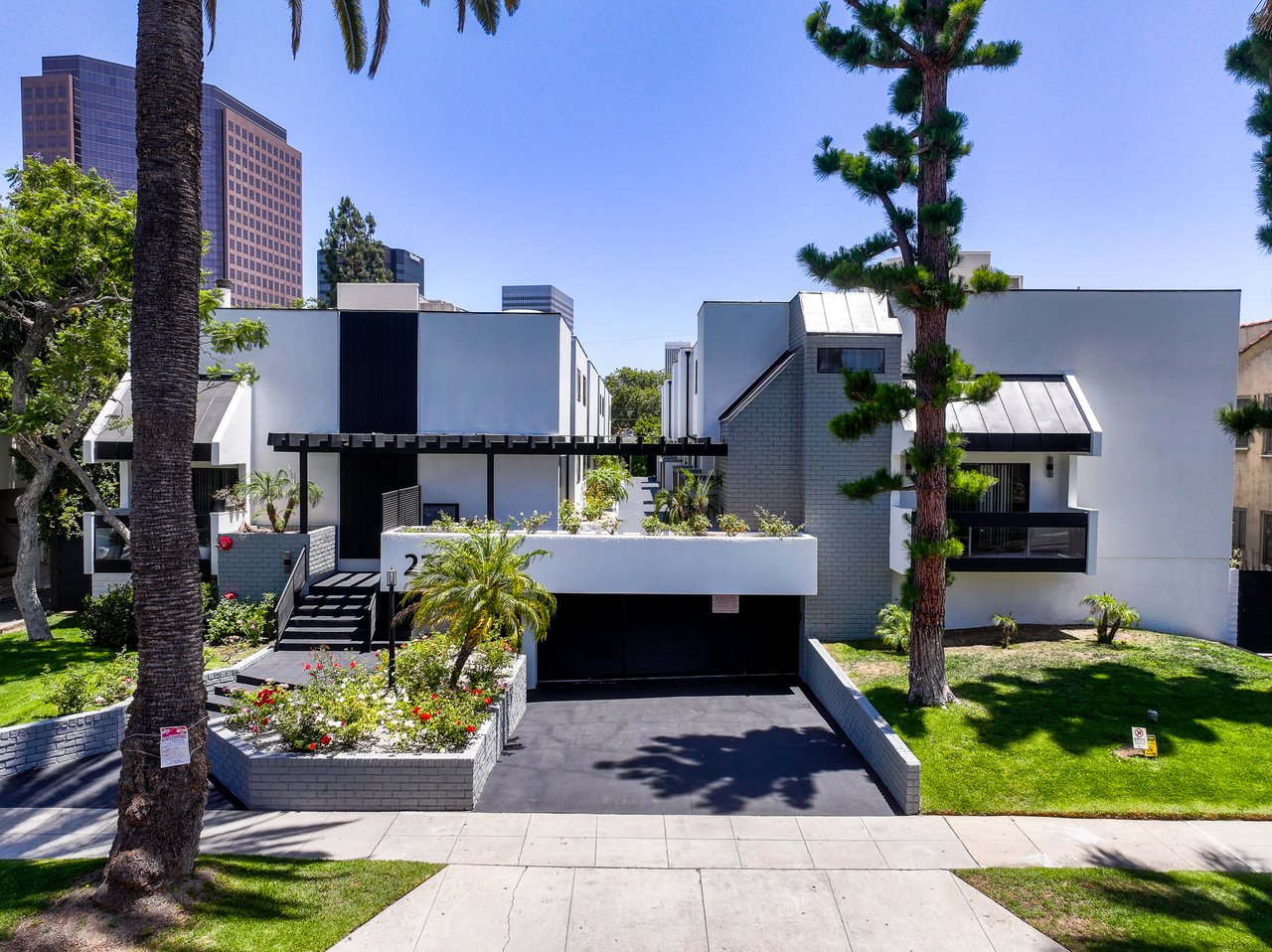
Ask most homeowners how to price their property and the answer is almost always the same: “Look at the comps.” While comparable sales are a useful starting point, they only tell part of the story especially on the Westside in 2026. Two homes with nearly identical square footage, lot size, and bedroom count can still sell for vastly different prices, sometimes separated by as much as a million dollars. That gap isn’t accidental. It reflects a layer of “hidden math” that goes far beyond basic data and plays a critical role in determining outcomes.
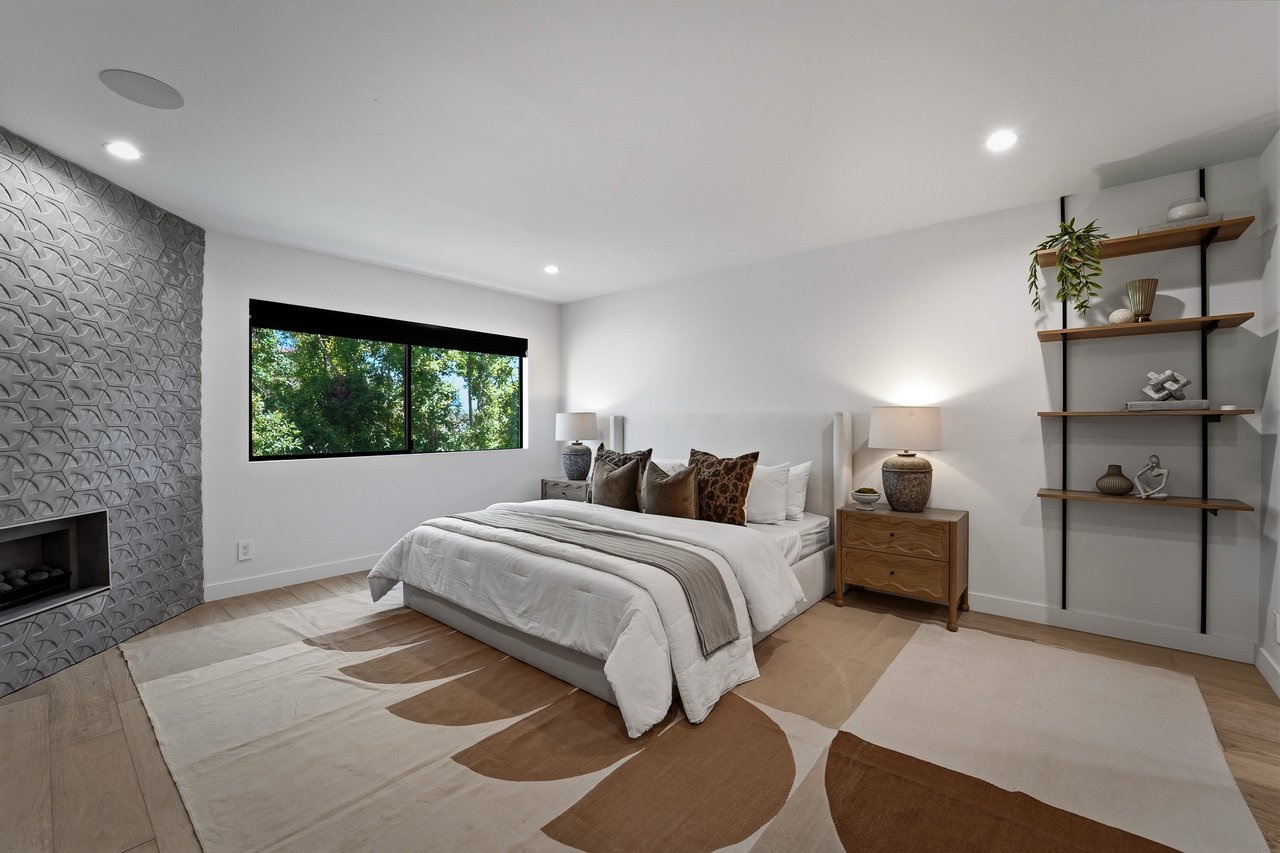
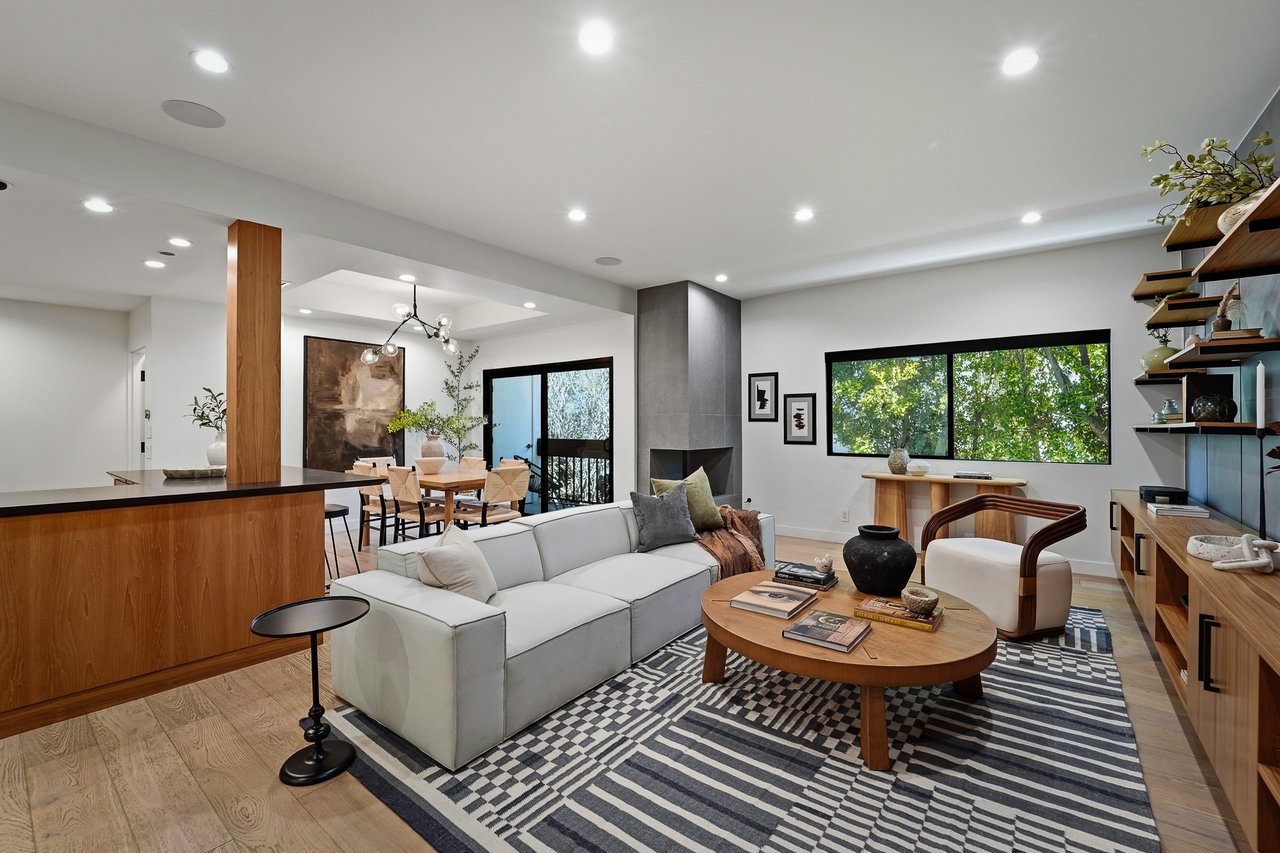
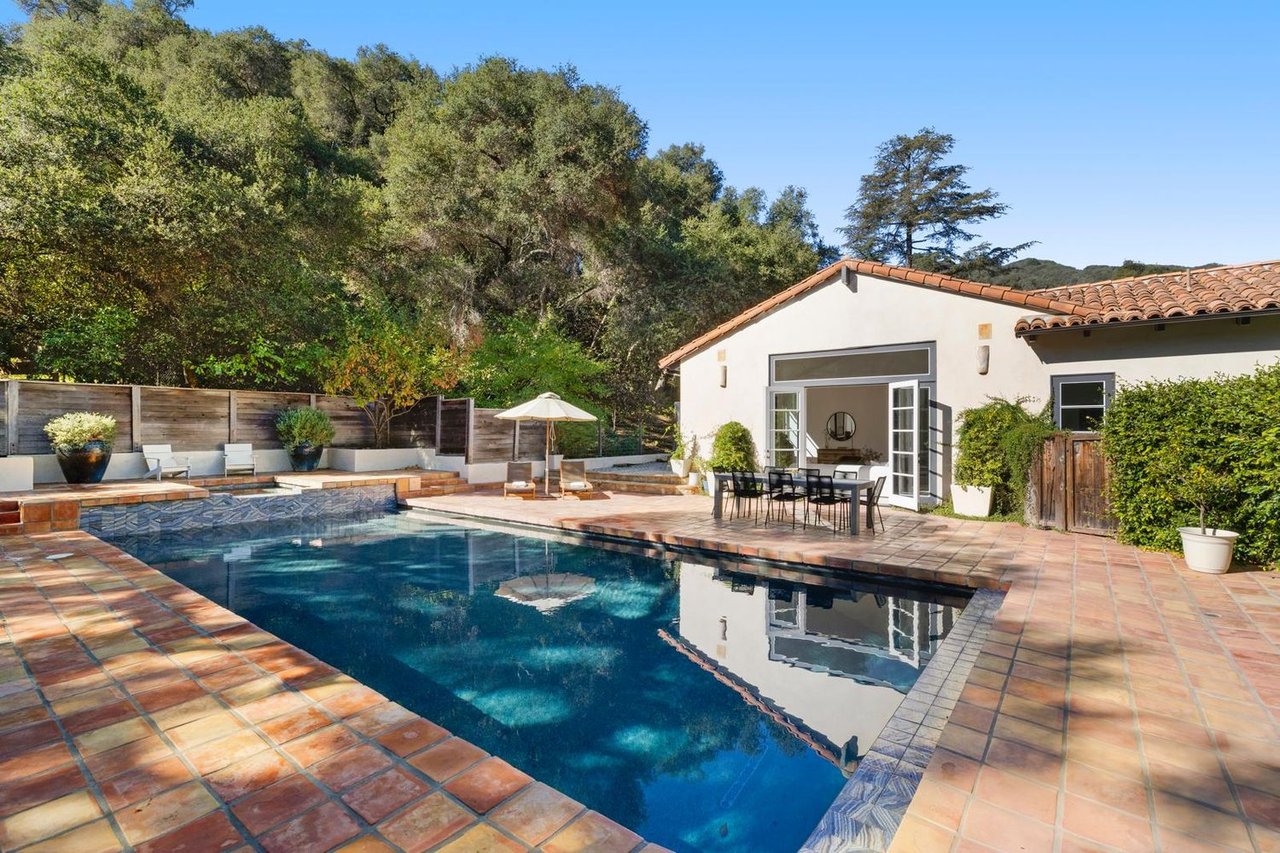
Comparable sales establish a historical range they show where the market has been. But they don’t predict how buyers will respond to a specific home. Buyers aren’t making decisions like spreadsheets, they’re driven by emotion first and logic second. That emotional response introduces one of the most important pricing variables: the intangible appeal of a home. Elements like natural light, ceiling height, layout flow, privacy, and that immediate sense of comfort or connection all contribute to what could be called an “emotional premium.” Homes that deliver this experience often sell 5 to 15% above what raw data might suggest. Those that don’t tend to linger, and the longer they sit, the more they invite negotiation often resulting in deeper discounts.
Location, too, operates on a much more granular level than many assume. On the Westside, it’s not just about the neighbourhood but about the specific pocket within it. A difference of just a few blocks can significantly impact value due to factors like traffic flow, proximity to commercial areas, school adjacency, or even subtle differences in light and privacy. Homes in prime micro locations consistently outperform similar properties nearby, yet many pricing strategies fail to account for these nuances.
Another critical layer is the cost to replace equation. Buyers today are increasingly calculating what it would cost to purchase the land and build the same home from scratch. With construction costs, permitting timelines, and delays still top of mind, this calculation acts as both a ceiling and a floor for pricing. If a home is priced well above its replacement cost, buyers hesitate. If it aligns with or falls below that threshold, it can create urgency particularly in areas where land value plays a major role in overall pricing.
Time on market introduces yet another layer of unforgiving math. A home that sits too long begins to raise questions in buyers’ minds. Even a small initial overpricing say 5% can lead to a final sale price that is significantly lower than what could have been achieved with proper positioning from the start. In this sense, pricing is not just about numbers; it’s about strategy. The goal isn’t to test the market but to align with it in a way that generates activity and momentum.
Ultimately, pricing a home on the Westside today requires a blend of data, psychology, and strategy. Data defines the range, psychology shapes buyer perception, and strategy determines the final outcome. Missing any one of these elements turns pricing into guesswork. Getting all three right, however, allows sellers to control not just the listing but the entire conversation around it.
The future you want begins with a smart move today. Adam Brawer Estates delivers strategic guidance and real results. Call (310) 279-8259 and take the next step with confidence.