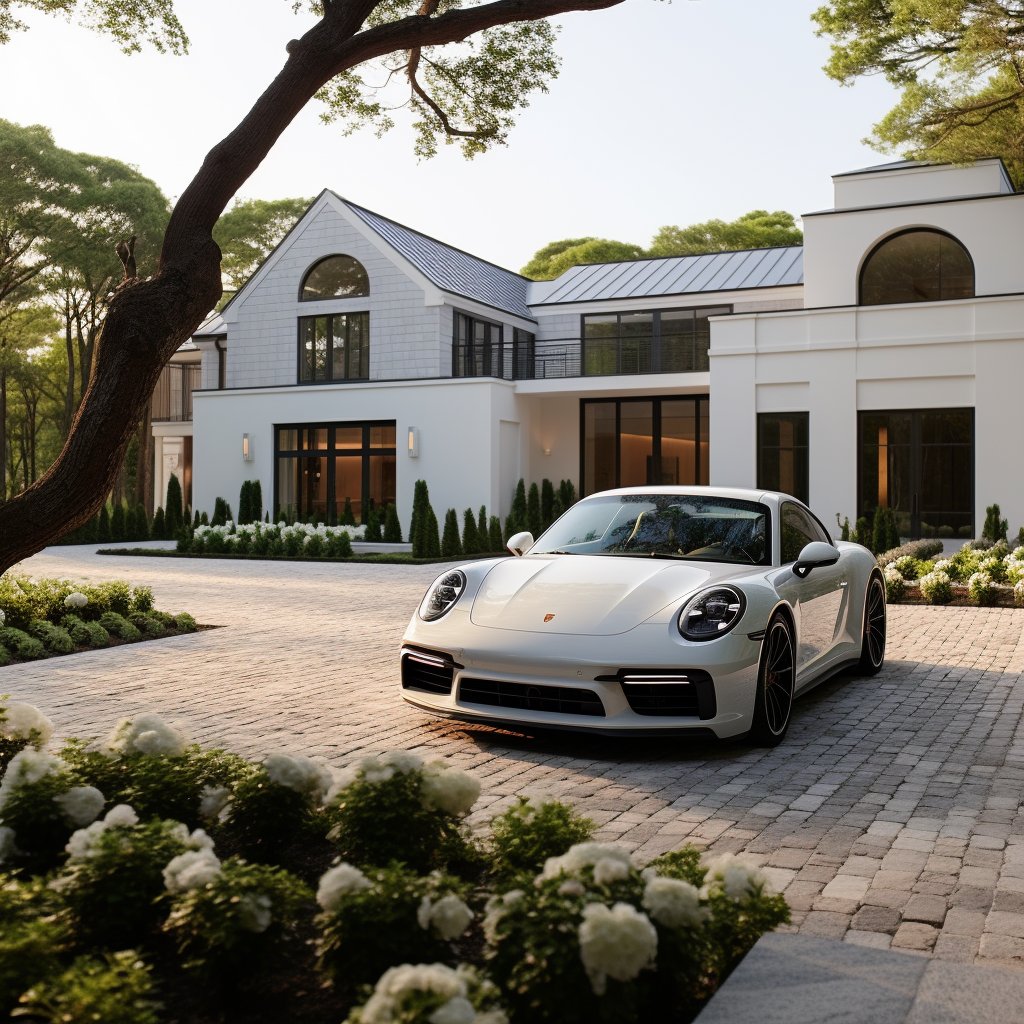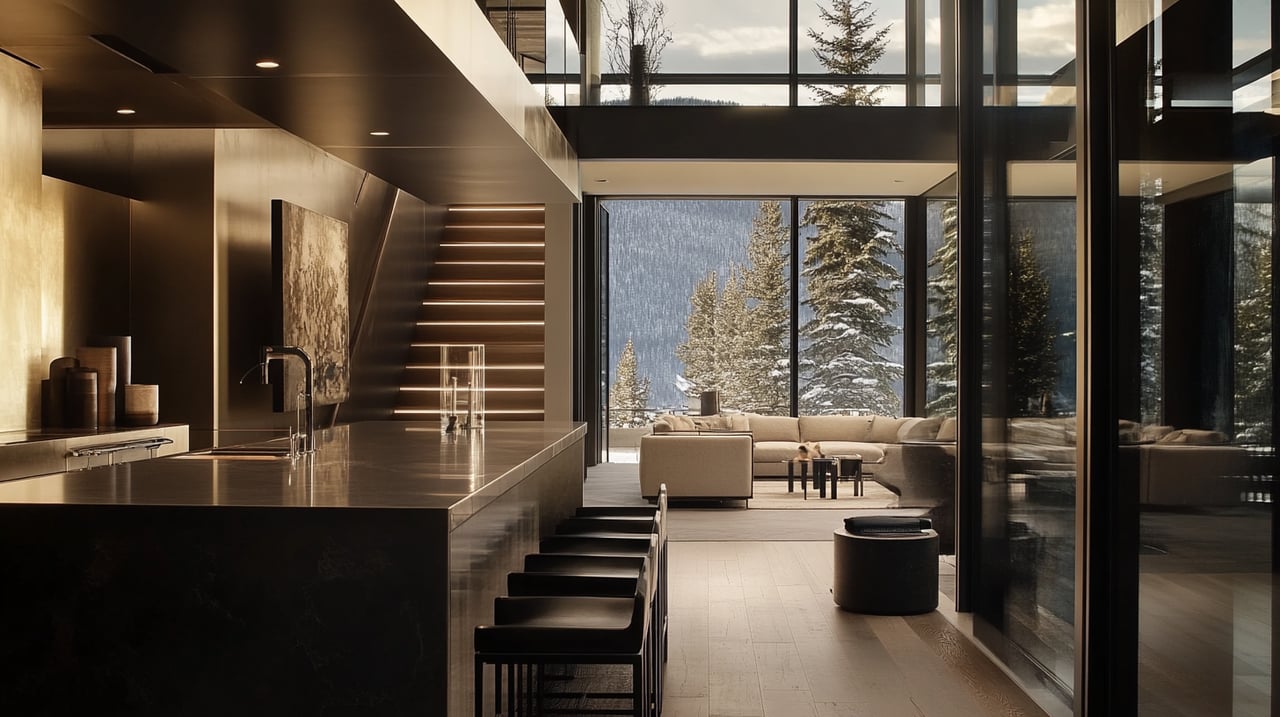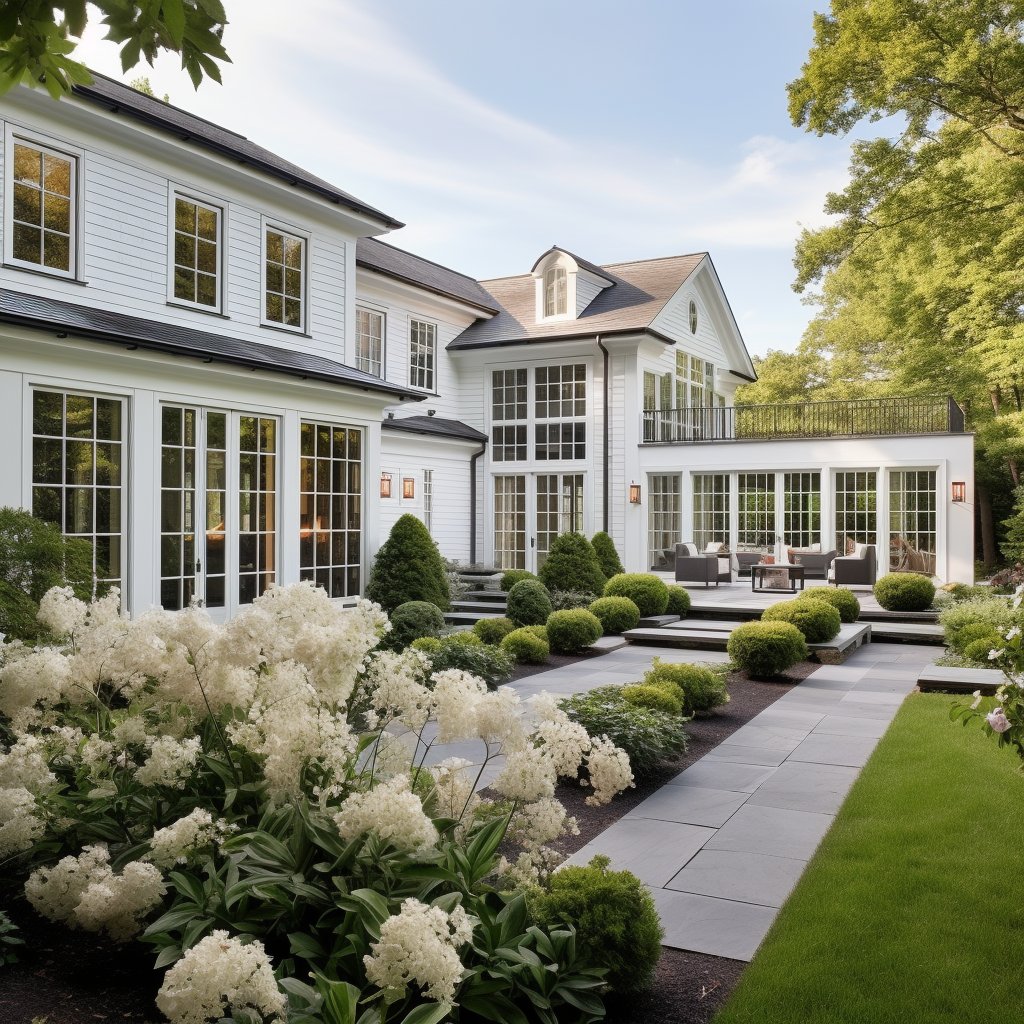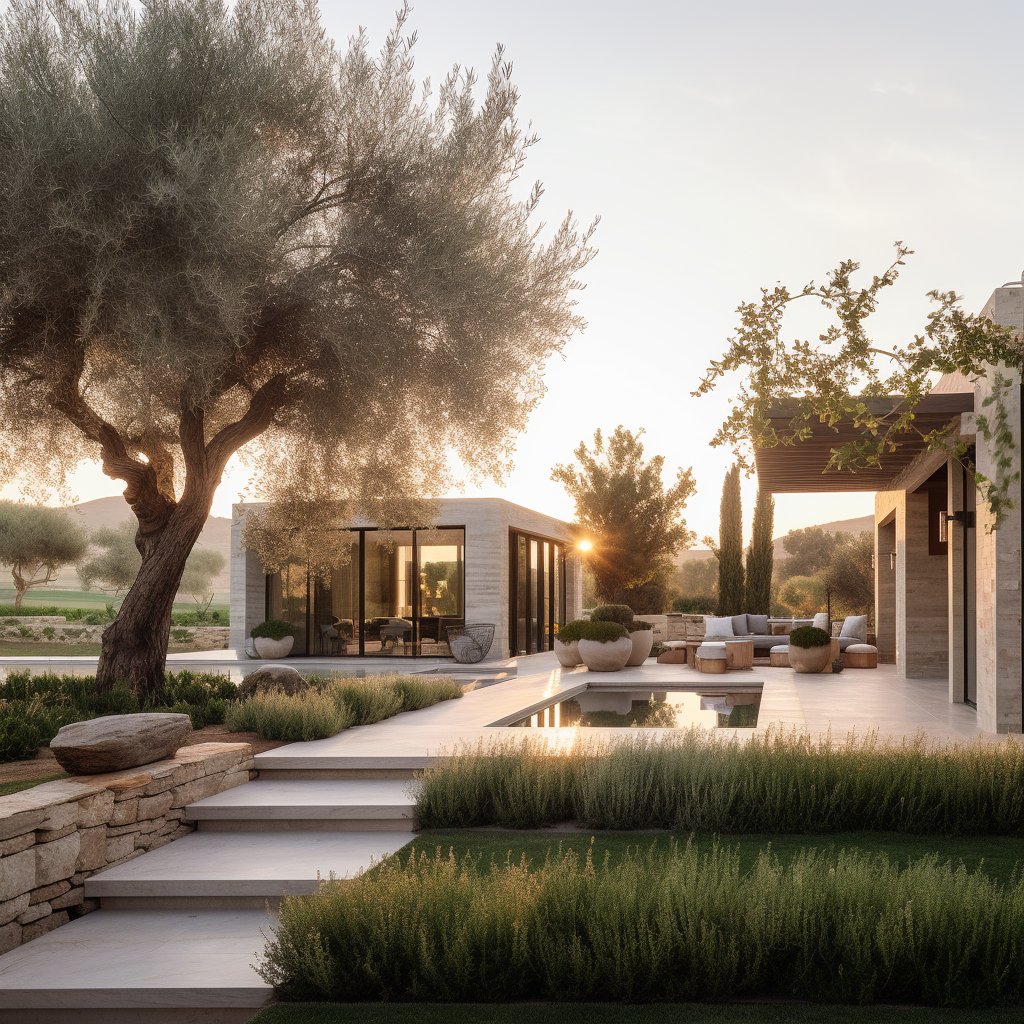
Los Angeles is known for its diverse neighborhoods, beautiful landscapes, and unique real estate market. One of the city's most distinctive characteristics, however, is its architecture. From historic Spanish-style homes to sleek contemporary estates, architectural styles across Los Angeles reflect the city's history, culture, climate, and evolving lifestyle.
For homebuyers, understanding these architectural styles can make it easier to recognize the character and potential of different properties throughout LA.
Spanish Colonial Revival
Spanish Colonial Revival architecture is one of the most recognizable styles in Los Angeles. Inspired by Spanish and Mediterranean traditions, these homes often feature stucco exteriors, red tile roofs, arched doorways, decorative ironwork, and courtyards.
The style became particularly popular in Southern California during the early 20th century and remains highly sought after today.
Many Spanish-style properties combine historic architectural details with modern renovations, creating a balance between traditional character and contemporary comfort.
Mediterranean Architecture
Mediterranean-style homes are also common throughout Los Angeles, particularly in upscale residential communities.
These properties often feature stucco walls, tile roofs, arched windows, balconies, landscaped courtyards, and indoor-outdoor living spaces. Their design is well suited to Southern California's climate and emphasis on outdoor entertaining.
Mediterranean homes can vary significantly in size, from relatively modest residences to large luxury estates.
Mid-Century Modern
Los Angeles played an important role in the development and popularity of Mid-Century Modern architecture.
These homes typically emphasize simplicity, functionality, clean lines, large windows, open floor plans, and a strong connection between indoor and outdoor spaces.
Neighborhoods such as the Hollywood Hills and parts of the San Fernando Valley contain notable examples of Mid-Century Modern homes.
For buyers who appreciate architectural history and minimalist design, these properties can offer a distinctive alternative to more traditional homes.
Craftsman Homes
Craftsman architecture became popular in Los Angeles during the early 1900s. Craftsman homes are often recognized by their broad front porches, exposed beams, natural materials, low-pitched roofs, and strong horizontal lines.
Historic Craftsman properties are particularly associated with neighborhoods such as Highland Park, Pasadena, and parts of Northeast Los Angeles.
Many restored Craftsman homes retain original woodwork, built-in cabinetry, fireplaces, and other period details.
Art Deco
Art Deco architecture represents another important part of Los Angeles' architectural history.
Popular during the 1920s and 1930s, Art Deco buildings are characterized by geometric forms, decorative details, symmetry, and bold visual elements.
Although the style is particularly visible in commercial and civic buildings, residential properties and apartment buildings can also showcase Art Deco influences.
Contemporary Architecture
Modern and contemporary homes have become increasingly prominent throughout Los Angeles.
Contemporary properties often feature expansive glass walls, minimalist interiors, open layouts, dramatic architectural forms, large terraces, infinity pools, and sophisticated indoor-outdoor living areas.
In luxury markets, contemporary architecture is frequently designed around views, whether overlooking the city, mountains, or Pacific Ocean.
Modern Farmhouse
Modern Farmhouse architecture combines traditional farmhouse elements with contemporary design.
Typical features include simple rooflines, large windows, neutral materials, open floor plans, spacious kitchens, and a combination of wood, stone, and modern finishes.
The style appeals to buyers who want a relaxed residential atmosphere without sacrificing contemporary amenities.
Tudor Revival
Tudor Revival homes can be identified by steeply pitched roofs, decorative half-timbering, brick or stone exteriors, and distinctive window designs.
These homes are often found in established Los Angeles neighborhoods and can provide a strong sense of historic character.
Their interiors may include fireplaces, wood details, formal rooms, and other features associated with early 20th-century residential design.
Hollywood Regency
Hollywood Regency is closely associated with Los Angeles' entertainment history and luxury lifestyle.
The style combines glamorous finishes with sophisticated interiors. Common characteristics include dramatic lighting, reflective surfaces, bold patterns, elegant furnishings, and carefully designed entertaining spaces.
While it may be less common as a complete architectural style, Hollywood Regency influences can be seen in many renovated luxury properties across LA.
Googie Architecture
Googie architecture is one of Southern California's most distinctive contributions to American design.
Developed during the mid-20th century, Googie is characterized by futuristic forms, dramatic angles, bold signage, sweeping rooflines, and expressive structural elements.
It is particularly associated with restaurants, coffee shops, gas stations, and commercial properties rather than traditional single-family residences.
Nevertheless, it remains an important part of Los Angeles' architectural identity.
Architecture Varies by Neighborhood
One of the most interesting aspects of Los Angeles real estate is how dramatically architectural styles can change from one neighborhood to another.
For example, older neighborhoods may feature historic Craftsman, Spanish Colonial Revival, Tudor, or Mediterranean properties, while hillside communities may contain modern homes designed around panoramic views.
Coastal communities often emphasize natural light, open layouts, terraces, and indoor-outdoor living. Meanwhile, established urban neighborhoods may contain a mixture of historic homes, renovated properties, and new construction.
Choosing an Architectural Style
When searching for a home in Los Angeles, architectural style should be more than an aesthetic consideration.
Buyers should also consider:
· The home's age and construction quality
· Original architectural features
· Renovation history
· Maintenance requirements
· Floor-plan functionality
· Indoor-outdoor connection
· Lot characteristics
· Neighborhood regulations
· Potential renovation opportunities
· Long-term resale considerations
A historic home may offer unique character but require specialized maintenance. A contemporary property may provide modern amenities and efficient layouts but have different maintenance requirements.
The Appeal of LA's Architectural Diversity
Los Angeles does not have a single architectural identity. Its homes represent decades of cultural influences, design movements, immigration, entertainment, technology, and changing lifestyles.
That diversity is part of what makes the LA real estate market distinctive. Buyers can choose between historic residences with preserved character, mid-century properties with architectural significance, and modern estates designed for contemporary living.
Whether you're searching for a Spanish Colonial Revival home, a classic Craftsman, a Mid-Century Modern residence, or a contemporary luxury property, understanding architectural styles across LA can help you appreciate what makes each property unique.
Ultimately, the best home is one whose architecture, location, functionality, and character align with your individual needs and long-term plans.
With extensive experience in Los Angeles luxury real estate, Adam Brawer specializes in buying, selling, and investing in premium homes across Beverly Hills, Malibu, Pacific Palisades, Bel Air, and Santa Monica. Contact (310) 279-8259 to discuss your luxury real estate goals.